Gone in 400 Hours: The Permadeath Streaming Disasters That Shattered Souls Live on Camera
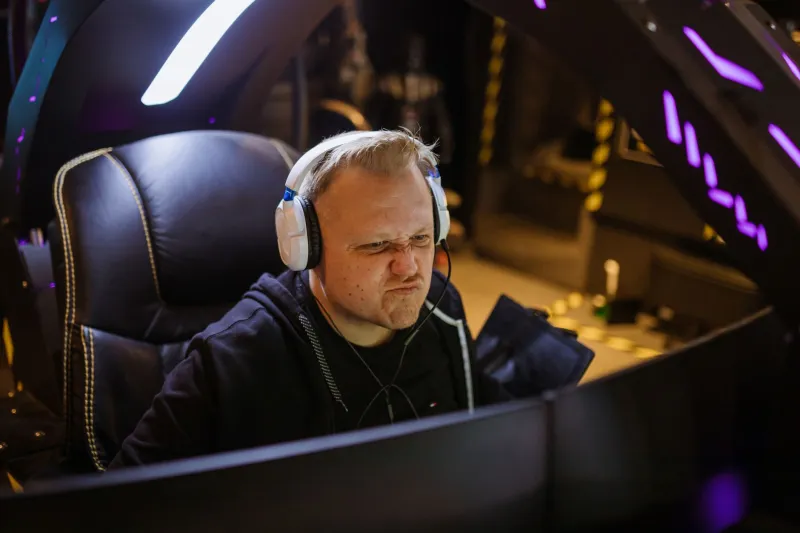
There is a very specific kind of silence that falls over a Twitch chat right before everything goes wrong. The streamer is focused. The run is clean. The audience has been watching for six, maybe seven hours straight — some of them have been watching for weeks. Then a misclick. A lag spike. A monster that spawned two frames earlier than it had any right to. And then: nothing. The character drops. The screen goes red. The word "DEAD" appears in whatever font the developer chose to maximize psychological damage.
And somewhere in middle America, a grown adult starts crying into a bag of Doritos.
Welcome to permadeath streaming — the genre that turns content creation into a slow psychological war of attrition, and turns audiences into gleeful, guilt-ridden disaster tourists. We're all here for the crash. We just pretend we're here for the journey.
The Anatomy of a Meltdown
Permadeath, for the uninitiated, is exactly what it sounds like: you die in the game, you lose everything, and you start from scratch. No saves. No second chances. No mercy. Games like Hardcore Mode Diablo II, Dwarf Fortress, Caves of Qud, and the notoriously soul-crushing Escape from Tarkov have built entire ecosystems around this concept. But it's the streamers — the ones who tie their identity, their schedules, and sometimes their sanity to a single run — who have turned permadeath into appointment television.
The meltdowns follow a predictable but never boring pattern. First comes the freeze. The streamer goes completely still, staring at the screen like they've witnessed a car accident. Chat explodes. Then comes the processing phase — sometimes quiet, sometimes involving language that would make a longshoreman blush. And finally, the reckoning: the moment where the streamer has to look into the camera and explain to tens of thousands of people that yes, it's over, and no, they don't want to talk about it.
Some handle it with grace. Most do not. That's why we watch.
The Runs That Broke the Internet (And the Streamers)
Let's talk specifics, because vague suffering isn't nearly as satisfying as documented suffering.
One of the most-clipped permadeath disasters in recent streaming history involved a Diablo II: Resurrected Hardcore run that had been going for over 300 hours. The streamer — a beloved figure with a community that had essentially built a mythology around this character — died to a rubber-banding lag issue on a monster that, under normal circumstances, they could have handled with their eyes closed. The chat's reaction was immediate and operatic. The streamer's reaction was a full two minutes of complete silence, followed by logging off without a word. The clip has been viewed millions of times. It is, genuinely, hard to watch.
Then there's the Escape from Tarkov incident that spawned roughly forty YouTube reaction videos. A streamer had spent the better part of three months gearing up a character to near-mythological status in Hardcore mode — gear worth hundreds of thousands of in-game rubles, items that had been traded, fought for, and hoarded with the devotion of a digital dragon. They walked into a raid feeling invincible. A new player — a new player — got a lucky headshot. The entire chat went into something resembling collective grief counseling. The streamer took a week off. Their community organized a "recovery stream" when they came back. It was, unironically, touching.
"You Know It Can Happen. That Doesn't Make It Better."
We reached out to a handful of streamers who've lived through catastrophic permadeath losses, and the psychological throughline is striking.
"The thing people don't understand," said one mid-sized streamer who asked to remain anonymous ("my chat still brings it up and I cannot deal"), "is that you spend so much time with a character that they start to feel real. Not actually real, I'm not a maniac. But like — you've made decisions for this person. You've kept them alive through things that should have killed them. And then one random Tuesday, it's just gone."
Another streamer, who lost a 200-hour Caves of Qud run to what they described as "a completely unfair interaction between two mechanics that should never have been allowed to coexist," put it more bluntly: "I was genuinely depressed for like four days. My wife was very patient. I bought her flowers."
The psychological toll is real, and it's something game developers have started to grapple with — though the more sadistic among them seem to view streamer suffering as free marketing, which, honestly, it is.
Why We Love Watching People Suffer (A Totally Normal Thing to Examine)
Here's the uncomfortable truth that permadeath streaming forces us to confront: audiences are not watching these runs hoping for success. They're watching for the potential of failure. The investment in a run is directly proportional to the dread of losing it — and that dread is what makes every successful moment feel electric.
It's the same reason people slow down to look at fender-benders, or why true crime podcasts dominate the charts. There's something deeply human about bearing witness to catastrophe from a safe distance. When a streamer loses a 400-hour run, you feel the loss vicariously — but you also get to close the tab and go make dinner. The streamer does not have that option.
Chat culture amplifies this dynamic in fascinating, occasionally cruel ways. The "F" spam that floods the screen after a permadeath is part genuine condolence and part celebration. The memes that emerge from major losses circulate for months. Some streamers have had their most-watched clips be the moments of their greatest failures. There's a dark irony in that — the worst moment of a run can be the best moment of a career.
Respawn Culture vs. Permanent Consequences
What makes permadeath streaming feel culturally distinct right now is that it exists in direct opposition to how most modern gaming works. Games have become increasingly forgiving — checkpoints everywhere, multiple save slots, difficulty adjustments mid-run. Permadeath is almost aggressively retro in its philosophy: you messed up, and now you live with it forever.
For an audience that grew up in an era of endless retries and respawn timers, watching someone face actual permanent consequences in a digital space is almost exotic. It's gaming with stakes. It's the difference between a friendly poker game and one where someone's actually sweating.
And the streamers who keep coming back — who rebuild after losing everything, who start new runs with the same doomed optimism — are, in their own chaotic way, kind of heroic. Stupid, maybe. Definitely a little unhinged. But heroic.
The Next Run Is Already Loading
Every streamer we spoke to said the same thing, eventually: they started a new run. Some immediately. Some after a grieving period involving comfort food and angry music. But they all came back.
That's the thing about permadeath that nobody talks about enough. The death isn't really the end. The death is the point. It's the thing that makes the next attempt meaningful. It's the reason the audience shows up. It's the engine that turns a video game into something that feels, absurdly, like it matters.
So next time you're in a chat watching someone's 300-hour run on a knife's edge, and you feel that horrible anticipatory dread building in your chest — lean into it. That's the whole experience. That's what you paid for.
Just maybe have some snacks ready. It's going to be a rough night.